

For anyone who went to tallow because everything else failed
Tallow isn’t skin-identical.
It’s cow-identical.
One sentence sold the whole category.
Here’s the part it leaves out.
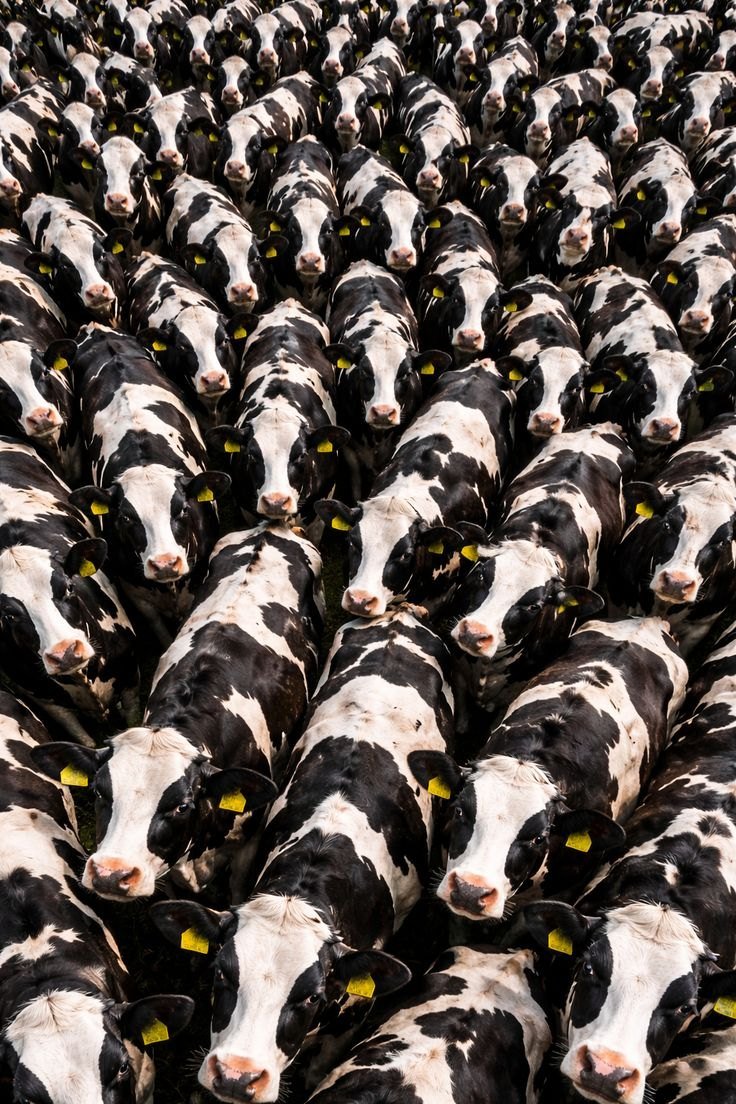
Tallow gives skin one lipid class.
We supply four.
The short version
01Sebum is four lipid classes.
Tallow is one.
02Sebum isn’t the barrier anyway.
03Oleic acid loosens the barrier.
Tallow is 40% oleic.
04Linoleic acid rebuilds it.
Tallow is 2%.
05We supplied what was missing instead of copying what wasn’t.
The Everywhere Balm™
The Everywhere Balm is a waterless barrier balm for normal, dry, reactive and overworked skin. Skin-compatible lipids, calming botanicals and bakuchiol 0.5% support the barrier through actives, washing, weather and daily wear, with a little extra barrier support for city air and everything skin meets along the way.
Use it when skin needs backup, or simply because you want to give it a little more. Face, lips, hands, body, cuticles, dry patches and external intimate skin. One 60 mL tin, wherever skin is under pressure.
LIPID-RICH BARRIER SUPPORT
SOFT-MATTE FINISH
If it does not earn a permanent spot in your bathroom, we refund one tin, minus shipping. Free AU shipping from two.
See full ingredients list →
The claim
The sentence the category rests on
“Tallow is the closest thing to human sebum.”
Repeated everywhere. Almost never sourced.
It’s true on one measurement. That measurement is the least important one.
Prove it
Sebum is four lipid classes. Tallow is one.
The match everyone quotes happens at the fatty acid level. Oleic, palmitic, stearic.
So does olive oil. Nobody built a category on olive oil being skin-identical.
But it repairs my barrier?
Sebum isn’t the barrier
Sebum sits on top of skin. The barrier is underneath it: ceramides, cholesterol and fatty acids stacked into sheets.
Tallow supplies no ceramides. Its cholesterol is 0.1%, which is a rounding error.
It coats the surface. Coating is useful. It isn’t rebuilding anything.
Is there a downside?
40% of the wrong one.
2% of the right one.
Oleic acid
40% of tallow. Used in permeation research as a penetration enhancer. It inserts into barrier lipids and loosens their packing, which raises permeability. Unremarkable on intact skin. Worth thinking about on skin already losing water.
Linoleic acid
2% of tallow. Cattle are ruminants; their gut hydrogenates polyunsaturated fat out of the fat. Grass-fed doesn’t fix this. Linoleic acid is the precursor to the ceramide that anchors those sheets together.
A fat that’s 40% oleic and 2% linoleic is a choice for compromised skin. Just not a neutral one.
Why is yours different?
We supplied the classes tallow can’t
Wax ester
Jojoba
A liquid wax ester, and the closest available analogue to sebum’s wax fraction. The single biggest thing tallow is missing.
Squalene analogue
Squalane
Squalene’s stable cousin, hydrogenated so it won’t oxidise on skin. The second thing missing.
Linoleic acid
Calendula-infused sunflower
High linoleic. The fatty acid tallow structurally cannot provide.
Sterol fraction
Shea
Phytosterols and unsaponifiables, adjacent to the sterol fraction.
Structure
Beeswax
Structure and a breathable film, without melting like a candle in an Australian summer.
Plus bisabolol, monolaurin, marshmallow root, plantain leaf and tocopherol.
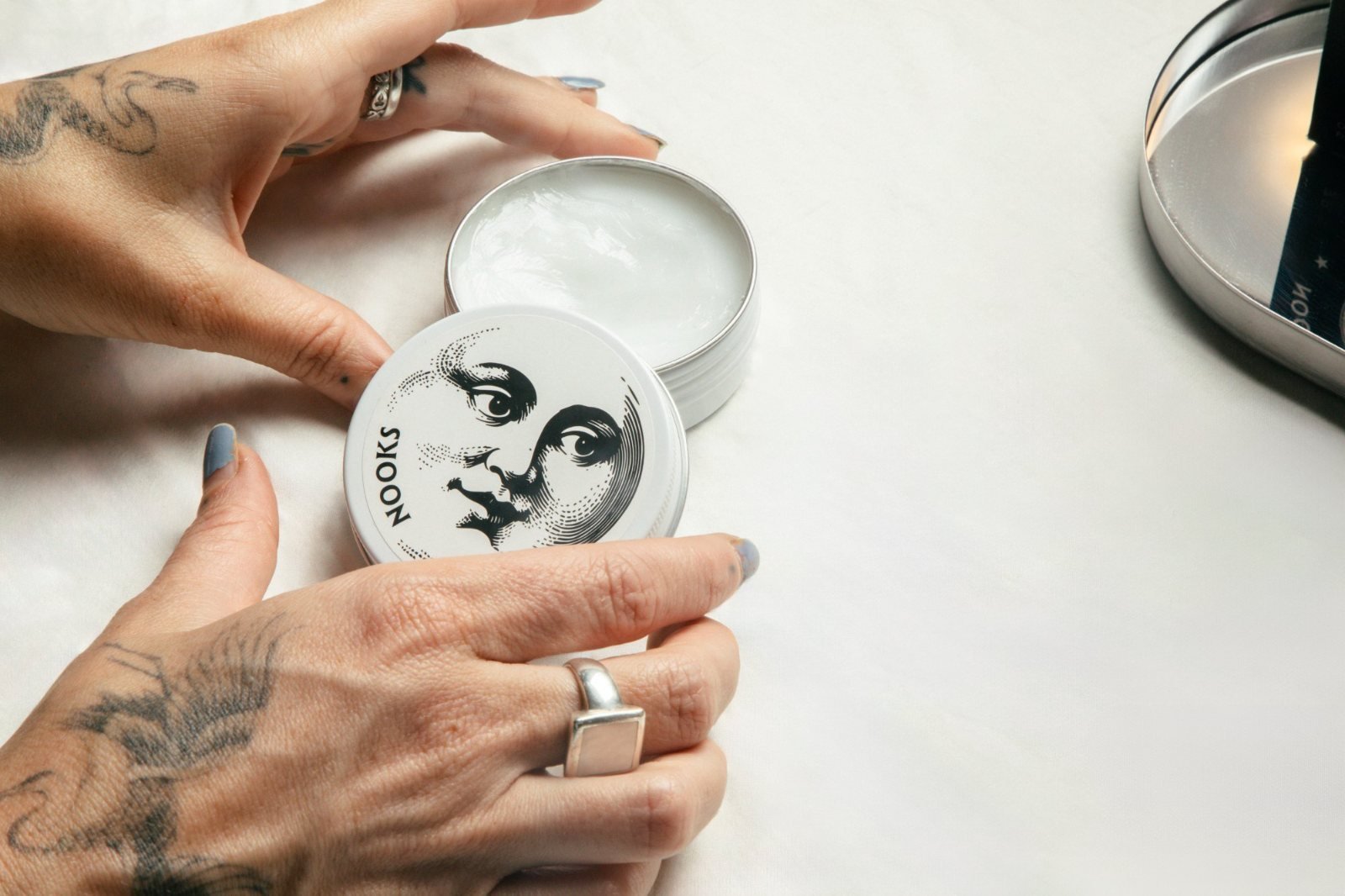
Are you just bashing it?
So why does tallow feel so good?
Because occlusion works.
Any sufficiently occlusive fat slows water loss, and slowed water loss feels like relief within minutes. Butter does it. Vaseline does it. Tallow does it.
The feeling is real. The explanation is borrowed. Occlusion doesn’t require a cow.
Will it work for my case?
The people who already switched off an occlusive
It works so well for my atopic skin that I almost wondered, does this have steroids in it? I threw out the lip balm, Paw Paw cream, Vaseline and moisturizers I used to always carry in my bag.
After I developed an allergic reaction to my trusty paw paw ointment, Nooks came to the rescue. Chuck out all the old weird lip balms and crusty Vaseline pots.
I finish every gym session applying it to my grip calluses, and after just a week the hardened skin started to soften noticeably.
Can I trust you?
Three things tallow does better
It’s cheaper than us. Considerably.
It’s one ingredient, which some people want. That’s a preference, not an error.
It uses something that would otherwise be waste. A real argument, and one we can’t make.

And three we won’t pretend about. We’re not vegan — there’s beeswax in the tin. We’re not cheaper, and never will be. We’re not a cure for anything. This is a balm that supplies lipid classes skin recognises, batch after batch.

The Everywhere Balm™
The Everywhere Balm is a waterless barrier balm for normal, dry, reactive and overworked skin. Skin-compatible lipids, calming botanicals and bakuchiol 0.5% support the barrier through actives, washing, weather and daily wear, with a little extra barrier support for city air and everything skin meets along the way.
Use it when skin needs backup, or simply because you want to give it a little more. Face, lips, hands, body, cuticles, dry patches and external intimate skin. One 60 mL tin, wherever skin is under pressure.
References
- Picardo M, Ottaviani M, Camera E, Mastrofrancesco A. Sebaceous gland lipids. Dermato-Endocrinology. 2009;1(2):68-71. Lipid class composition of human sebum.
- Gunstone FD, Harwood JL, Dijkstra AJ (eds). The Lipid Handbook, 3rd ed. CRC Press, 2007. Fatty acid and triglyceride composition of beef tallow.
- Rhee KS, et al. Cholesterol content of raw and rendered beef fats. Journal of Food Science. 1982;47(2). Tallow cholesterol at approximately 0.1%.
- Aungst BJ. Structure/effect studies of fatty acid isomers as skin penetration enhancers and skin irritants. Pharmaceutical Research. 1989;6(3):244-247. Oleic acid as permeation enhancer.
- Hansen HS, Jensen B. Essential function of linoleic acid esterified in acylglucosylceramide and acylceramide in maintaining the epidermal water permeability barrier. Biochimica et Biophysica Acta. 1985;834(3):357-363. Linoleic acid and ceramide EOS.
- Danby SG, AlEnezi T, Sultan A, et al. Effect of olive and sunflower seed oil on the adult skin barrier. Pediatric Dermatology. 2013;30(1):42-50. High-oleic versus high-linoleic oils on skin barrier function.