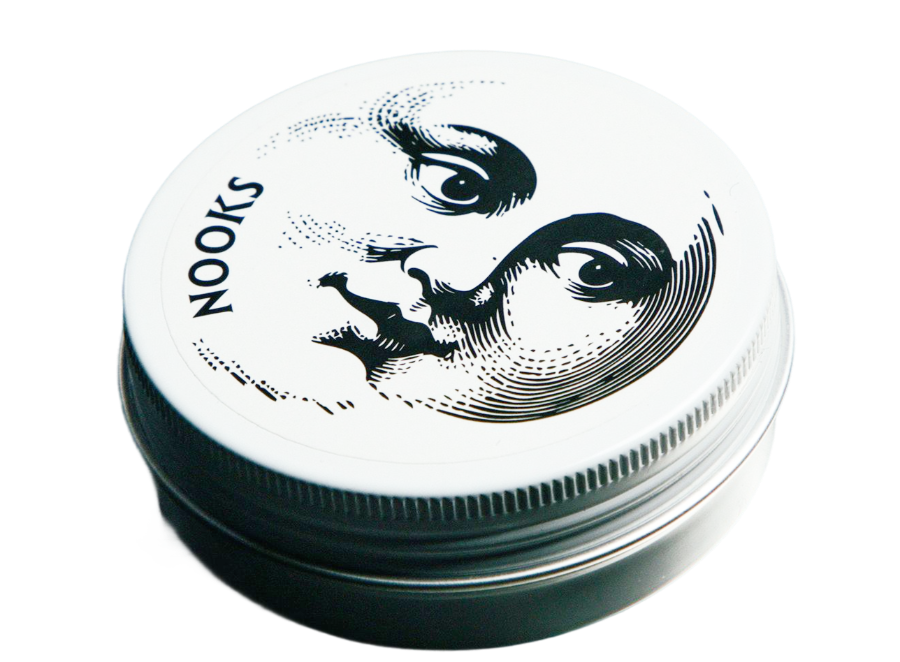
Shea. Jojoba. Squalane. Beeswax.
You might recognise the ingredients in a balm before you have opened it. What you cannot read off the label is how the finished product will spread, settle or feel on your skin.
Familiar ingredients can make very different products. The formulation is where those differences take shape.
Read the label. It matters.
An ingredient list helps you identify what a product contains and check for ingredients you know your skin does not tolerate. It also gives clues about the kind of formula you are buying: a water-based cream, for example, or a balm built from oils, butters and waxes.
Ingredient order gives some information about relative quantities. It does not usually give you the exact percentages or the complete recipe. Australian cosmetic labelling rules allow certain ordering conventions, including flexibility for ingredients below one per cent, and generally do not require each ingredient’s percentage to be listed.
That makes the label useful. It also gives it limits.
What the list leaves out
The proportions.
A list of oils and waxes does not tell you their exact balance. Change that balance and you can change how firm a balm feels, how readily it spreads and how much product a small application leaves on the skin.
The way the formula behaves together.
You apply the finished mixture. Its feel depends on how its components behave in that mixture, rather than on a separate description of every ingredient.
A familiar oil does not mean every formula containing it will feel equally oily. A wax does not tell you, by itself, how tacky the finished balm will feel.
The structure of the product.
Manufacturing and cooling can affect the texture of a balm. The ingredient list does not record the finished product’s firmness, spreadability or consistency from application to application.
Those qualities need to be assessed in the actual product.
The experience on your skin.
How much you use, where you use it and what you apply underneath can all change the experience. So can your preference for a light lotion, a rich balm or a particular finish.
A list cannot settle those questions for you.
NOOKS is a useful example.
The Everywhere Balm is a waterless, petroleum-free balm with no added fragrance. Its base includes MCT oil, shea butter, jojoba, squalane and beeswax.
These are recognisable ingredients. The customer feedback is about the finished balm: the way it feels at first, how it settles, and the jobs people find for it.
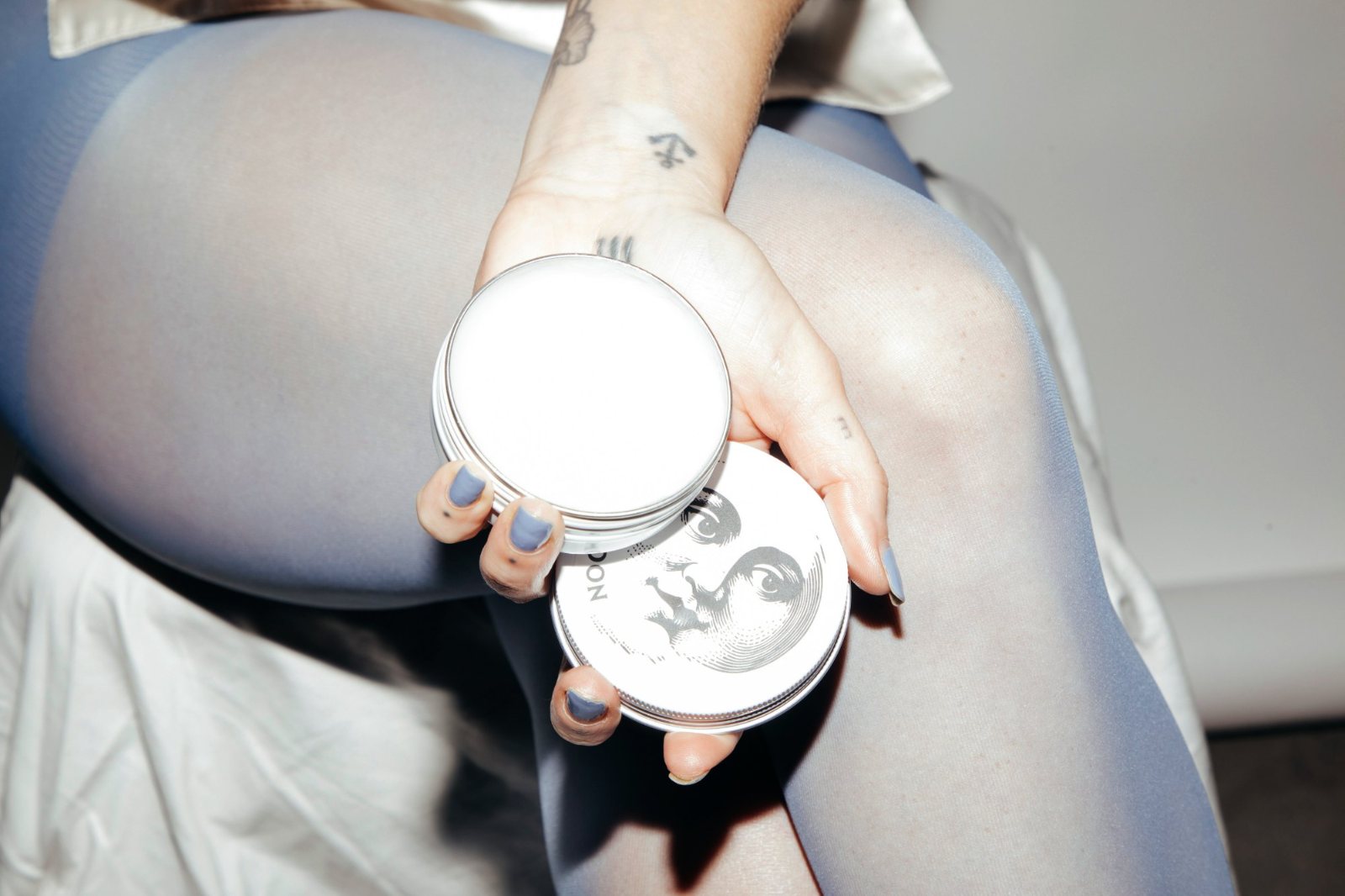
One reviewer described the change after application:
Strangely effective. Feels a little Vaseliney on application, then absorbs. My skin feels quite happy and my wallet is very happy.
Another described the finish:
It dries to a semi-matte finish without leaving any greasy residue.
Some reviewers describe a different experience, including a greasy facial finish or a waxy residue. That variation is part of assessing a product too. We include those reports in our customer review findings.
The whole formula is what you use.
One customer put their experience this way:
THE WHOLE IS DEFINITELY GREATER THAN THE SUM OF ITS PARTS.
That is a customer’s description of the product they used. It captures why an ingredient-by-ingredient assessment can feel incomplete: the experience happens with the finished formula.
It does not prove a biological synergy. It gives us a reason to look beyond ingredient novelty and ask how the complete product performs in use.
Different evidence answers different questions.
| Evidence | What it helps you assess |
|---|---|
| Ingredient information | What is present, known properties and possible sensitivities |
| Customer reviews | Reported texture, comfort, practical use and individual preferences |
| Finished-product testing | Specific claims measured under a defined test method |
A study of an ingredient is not automatically a study of every balm containing it. A customer saying a product sinks in does not measure how deeply it penetrates. A positive review does not establish a treatment effect.
The useful assessment keeps those distinctions intact and reads the evidence together.
A better way to assess a balm.
Start with the ingredients. Then ask:
- 01Does the finished texture suit the way I want to use it?
- 02What do reviewers say about the finish after application?
- 03Are they using it on areas similar to mine?
- 04Do the less enthusiastic reviews describe something that would bother me?
- 05Which claims are product facts, which are customer experiences, and which have been measured?
You do not need a newly discovered ingredient in every tin. You need a product that earns its place in your day.
Further reading
The ACCC’s cosmetic ingredient labelling guidance explains what a cosmetic ingredient list must disclose and how ingredients can be ordered.
Formulation research also assesses qualities such as texture, spreadability and sensory feel alongside instrumental measurements. One 2023 study of emulsion vehicles illustrates that approach. It studied different formulations, not NOOKS, and is not a test of this balm.
A 2021 study of wax-structured oils also found that cooling rate changed the structure and texture of its experimental mixtures. That supports the general point that processing matters; it does not establish how NOOKS performs.